
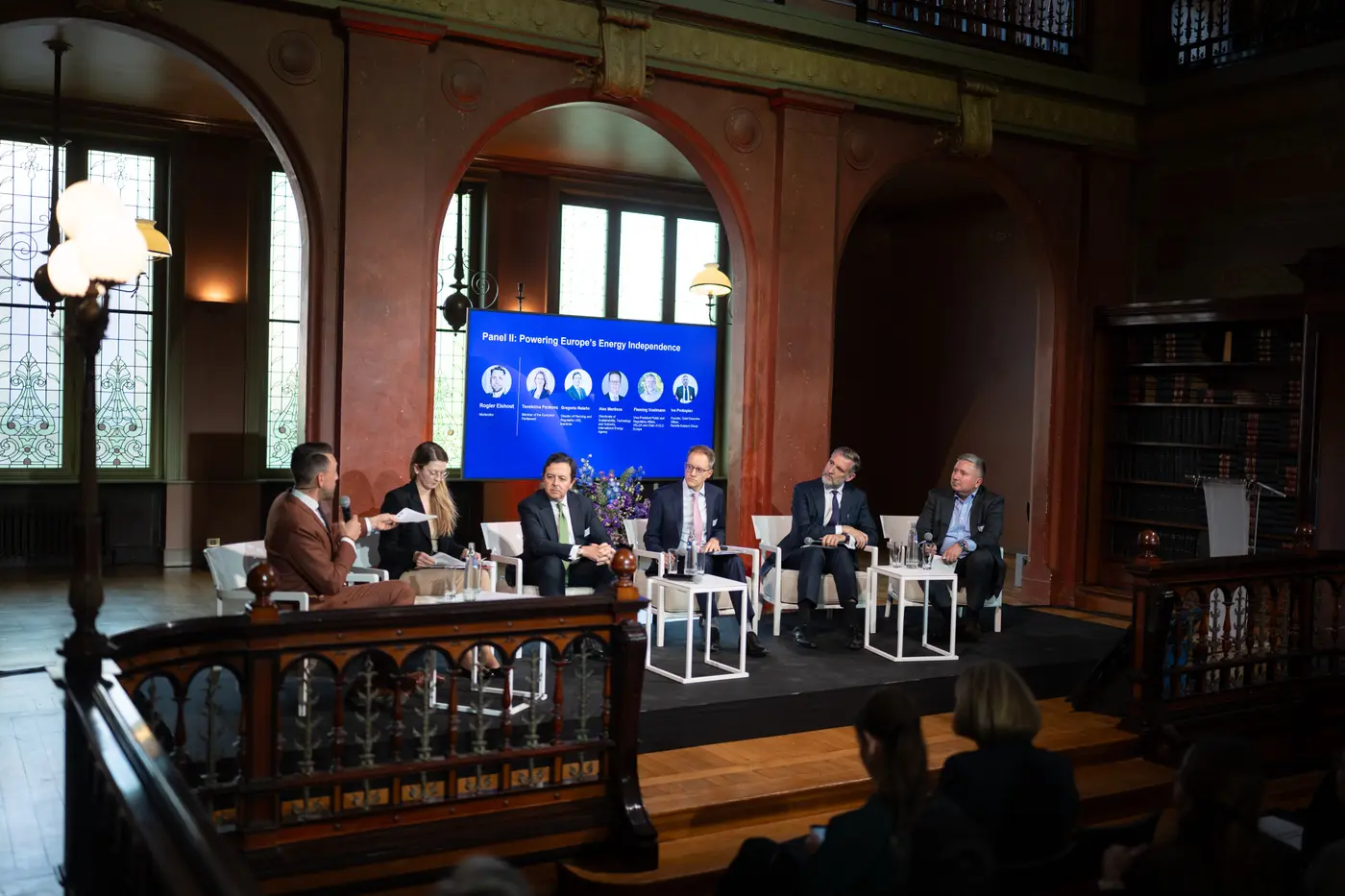
Panel moderator.
Make panels edible again.
Panels fail when five people deliver five speeches. We design the conversation so viewpoints clash productively — and the audience stays with it.
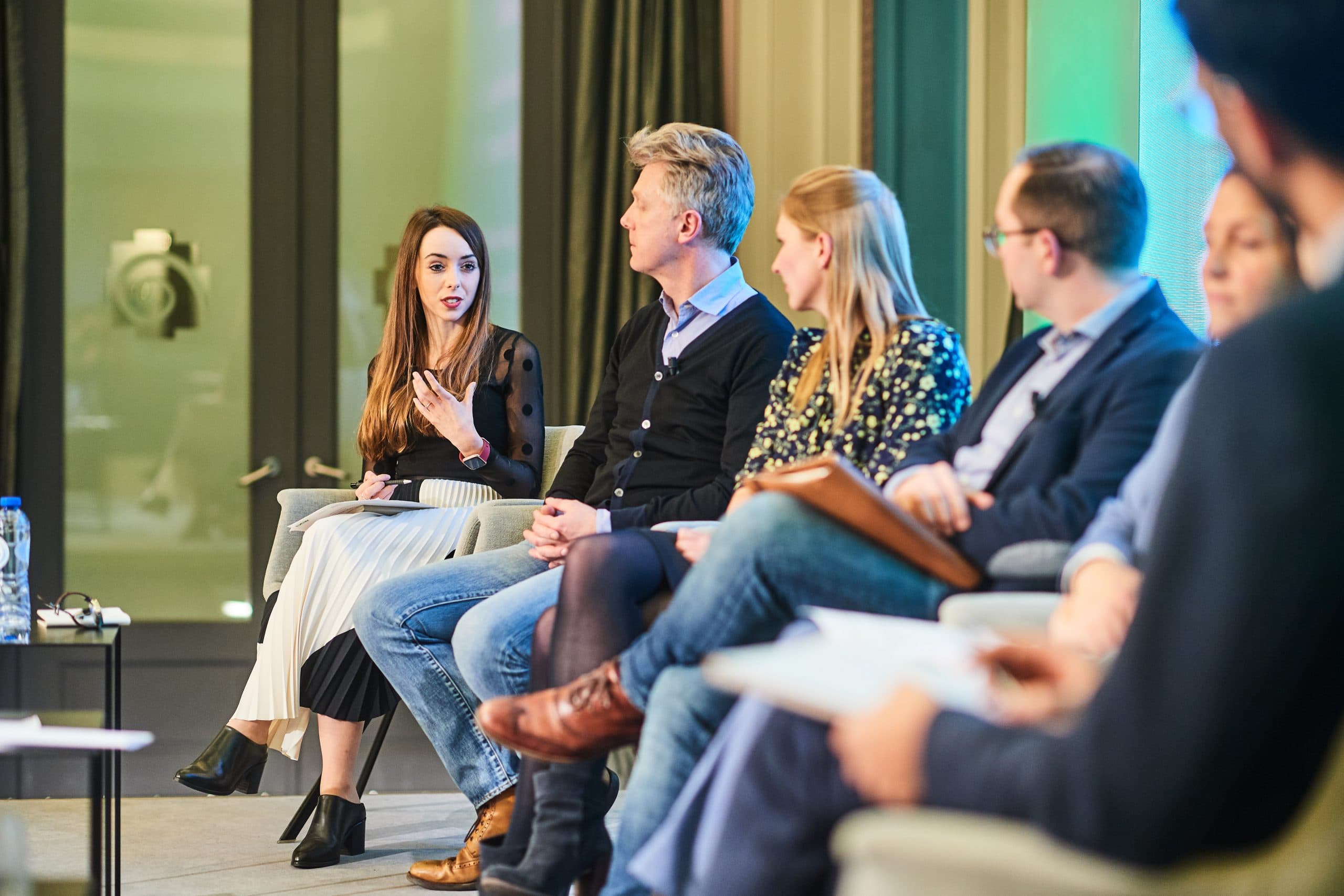
A panel discussion should be a lively discussion between speakers.
A panel moderator’s job is editorial: who speaks when, which conflict is useful, and when to cut a digression. We brief panellists on the shared goal, not just their talking points.
In the Brussels bubble, panels are overused. When a panel is the right format, we keep openings short, rotate airtime fairly, and pull the audience in with precise questions — not vague “any questions from the floor?” silence.
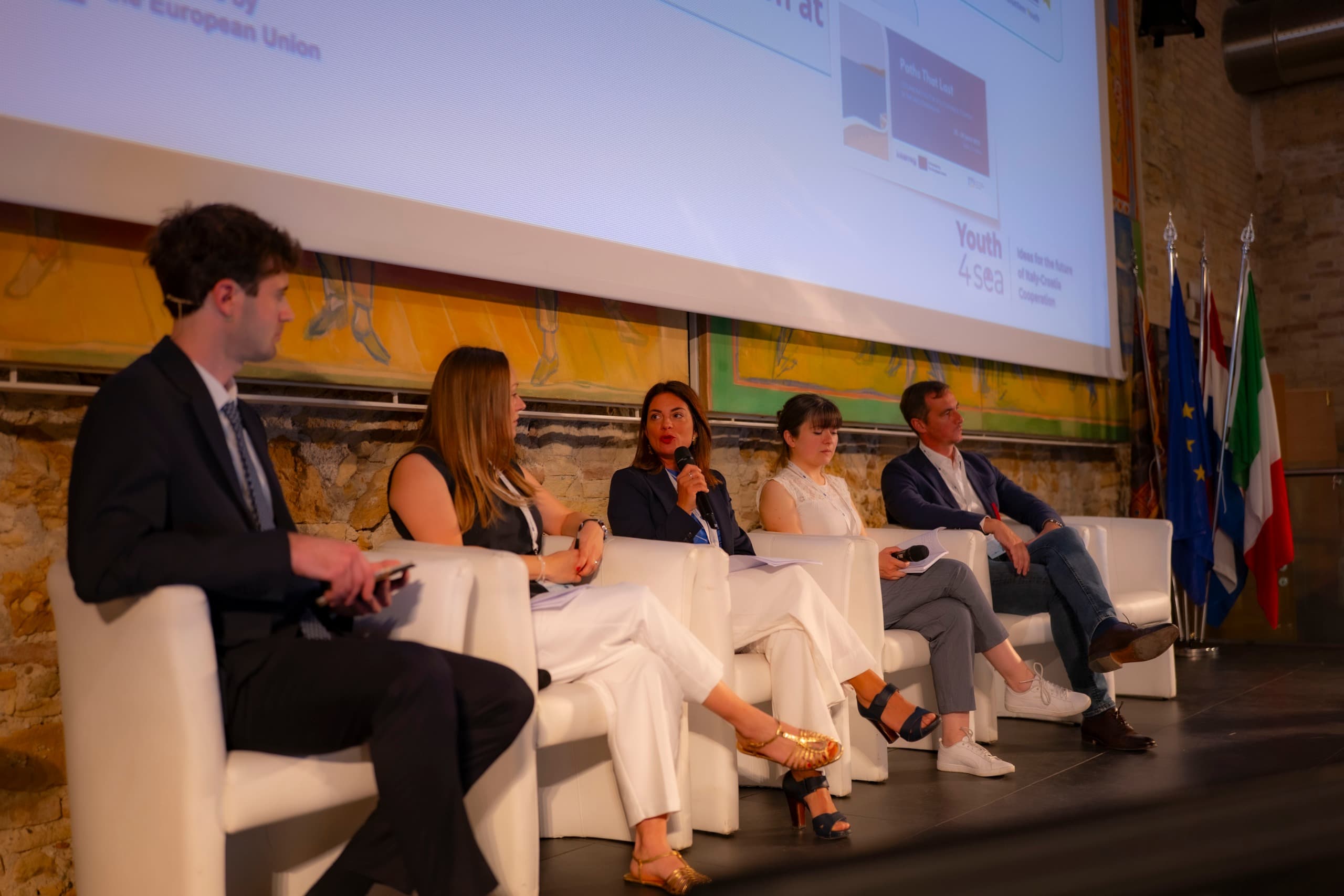
If you run one, make it earn its place.
We also advise when not to do a panel: a fireside, interview or structured debate often serves the same goal with less mush. Honesty about format is part of the craft.
Outcomes
How we run panels
- Shared briefing so panellists argue the same question
- Timed openings and enforced airtime balance
- Follow-ups that dig, not softballs that float
- Audience questions curated for relevance
- A synthesis that names what actually changed in the room
Practical
Formats we prefer over weak panels
- Fireside chat or on-stage interview
- Structured debate with clear motions
- Fishbowl or rotating empty-chair for stakeholders