
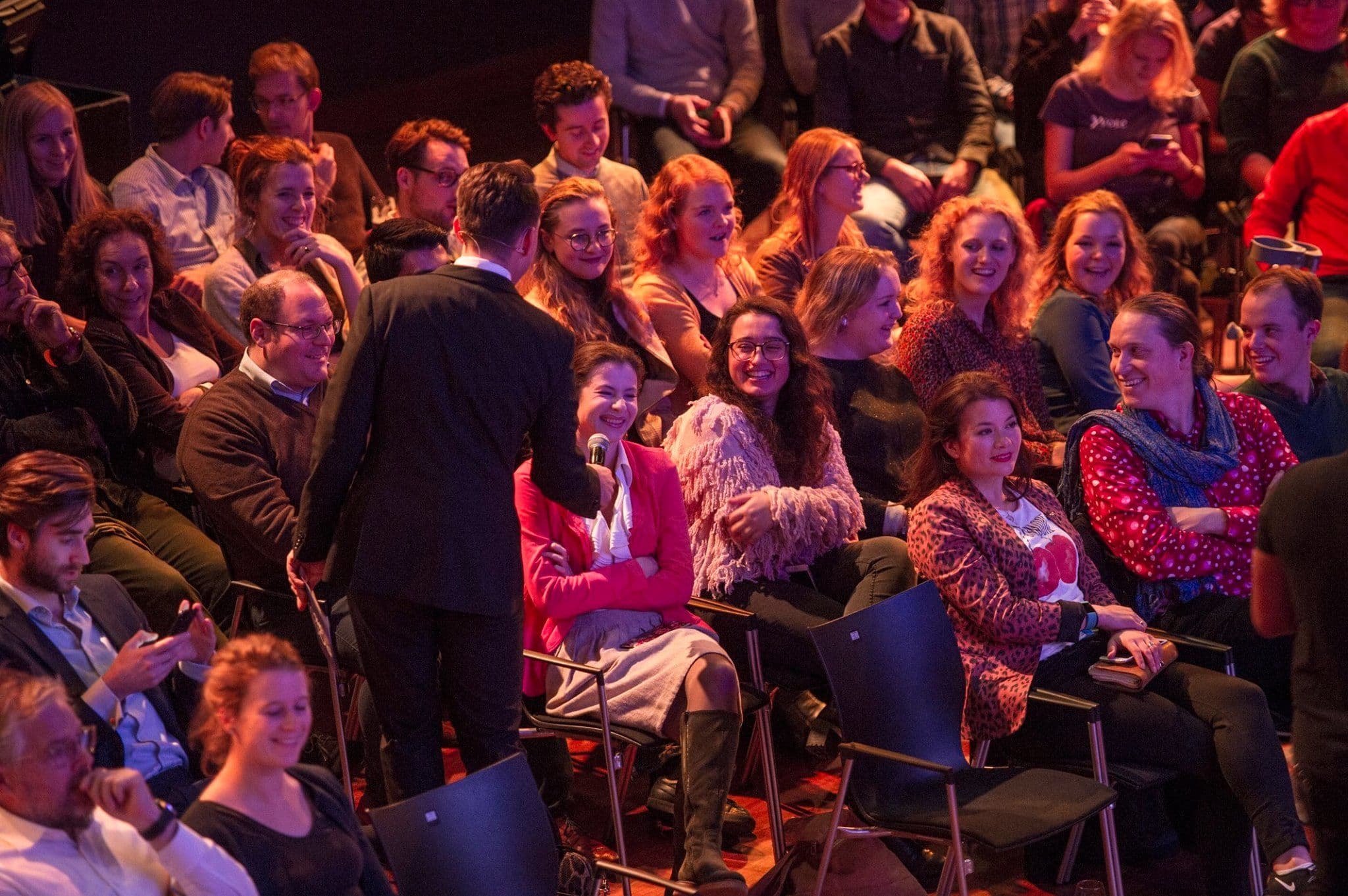
Stakeholder dialogues.
Everyone heard. Something usable.
A stakeholder dialogue facilitator in Brussels designs listening that still produces an output — for EU consultations, association tables, and rooms where industry, NGOs and institutions do not start from the same interest.
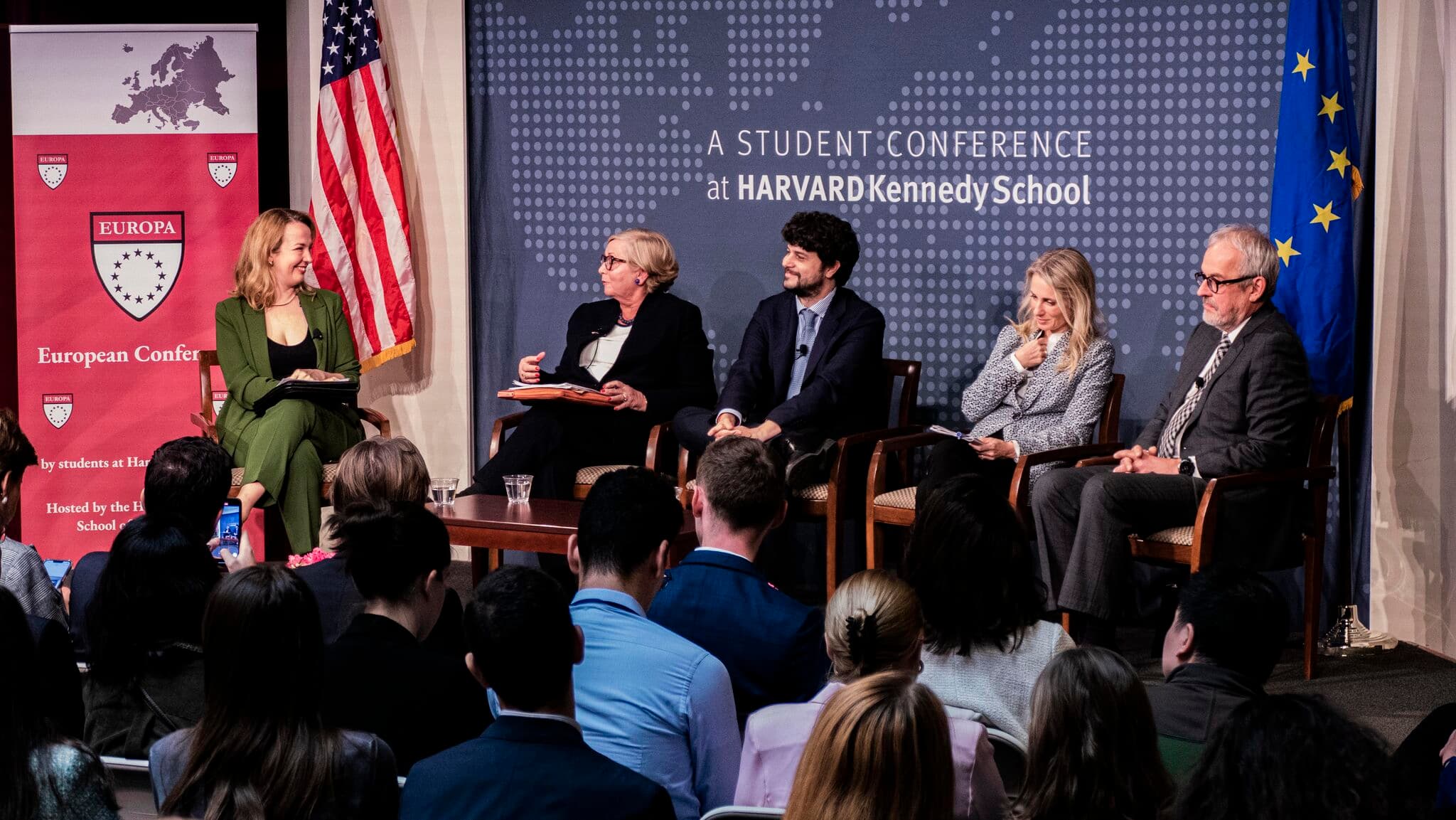
If only the loudest are heard, it was not a dialogue.
Stakeholder dialogue facilitation is its own service, not a softer name for another panel. Industry, NGOs, institutions and members often share a room precisely because they do not share a position. We map who is in the room, who is missing, and who already has the power, before we choose a method.
Rounds, a world café, a fishbowl or a structured consultation are picked for the maturity of the conflict, not for how they look on an agenda. Preparation covers languages, interpreters and the brief each party needs. Outsider neutrality is the working method: we do not carry a side, and we do not pretend a consensus exists when it does not.
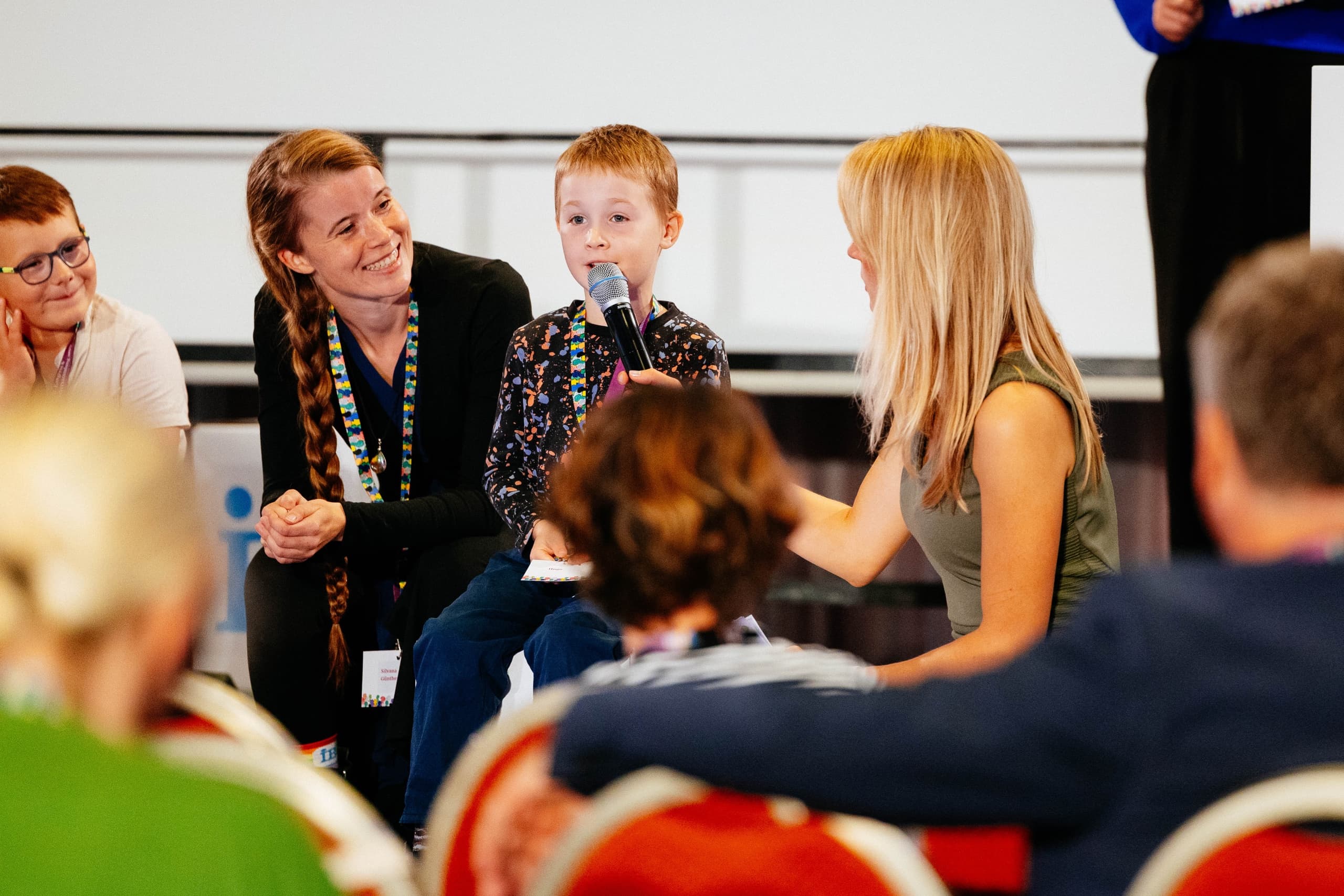
Neutrality is a method, not a mood.
Airtime is designed. The loudest organisation does not get the record by default. Dissent is written down. Agreements are separated from open issues, and next steps leave with an owner. Psychological safety is part of the design; it is not a promise that the conversation will feel comfortable.
Associations, EU consultations, industry–NGO–institution tables and cross-border European projects use this when the output has to travel: a synthesis a board, a secretariat or a policy team can actually use. When the room is civic rather than organisational, the neighbouring service is citizen-assembly facilitation.
Outcomes
Dialogue outcomes
- Shared problem framing the room can own
- Documented agreements and open issues
- Trust sufficient for a next meeting
- Synthesis fit for policy or board follow-up
Practical
Formats we use
- Structured consultation rounds
- World café and fishbowl for large mixed rooms
- Hybrid stakeholder tables with remote parity
Who it's for
Best for
- EU institutions and agencies running consultations
- Industry associations and NGOs at shared tables
- Cross-border European projects with contested interests