
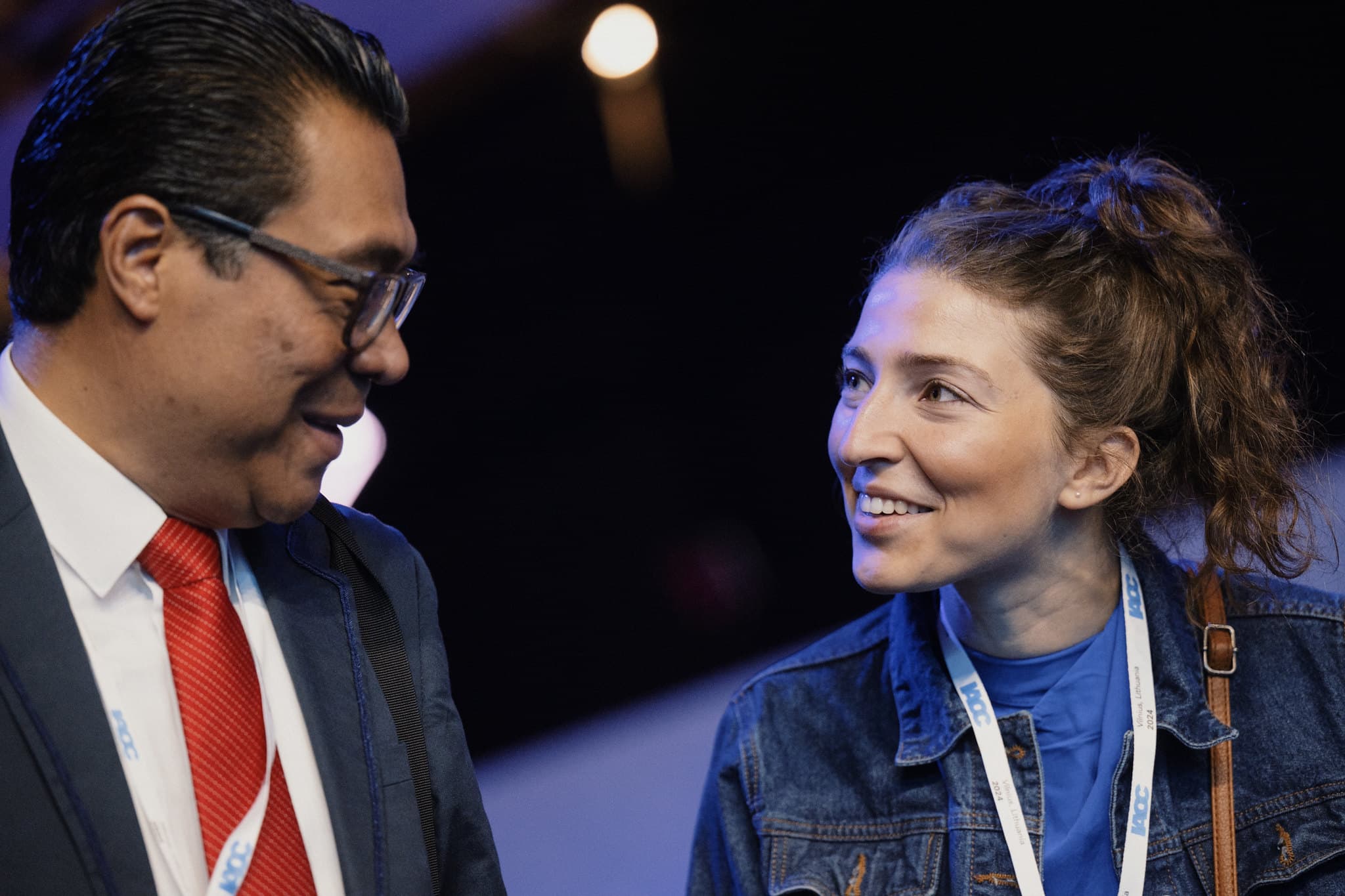
Persuasion in Brussels
Argumentation, framing and difficult questions.
For people who need to influence a decision, defend a position and handle resistance in the rooms where EU decisions are discussed.
In Brussels the case is still made in the room. A hearing, a panel, a stakeholder meeting, a briefing. This training turns technical expertise into a persuasive argument: what works with this audience, how to frame it, and how to answer the question you did not expect.
You learn the argumentation bridge, so the steps are all there and the pillars hold. Evidence, narrative and political sensitivity sit in the same case. The day ends with a debate, so the argument has to stand up in front of other people.
Defend the position.
Survive the question.
Why this training
Why this works
What works with this audience
Quickly find which arguments work with your audience and which do not. The same fact lands in one room and dies in the next.
The argumentation bridge
Learn to make every step of an argument, and to build it on strong pillars. A position with a missing step collapses at the first hard question.
Framing for EU audiences
Frame the same position for different rooms: a member, a hearing, a stakeholder, a briefing. The line stays. What the room hears changes.
Evidence, narrative, political sense
Combine the evidence, the story and the political sensitivity of the moment. Under polarisation, a clear message and a briefing that travels matter as much as the file.
The question you did not expect
Anticipate the counterargument. Practise hostile and unexpected questions, and answer them without dropping the position.
A debate to close the day
We like to end with a debate, the grand finale. Hearings, panels, stakeholder meetings and briefings are the practice. The debate is where the argument has to survive other people.
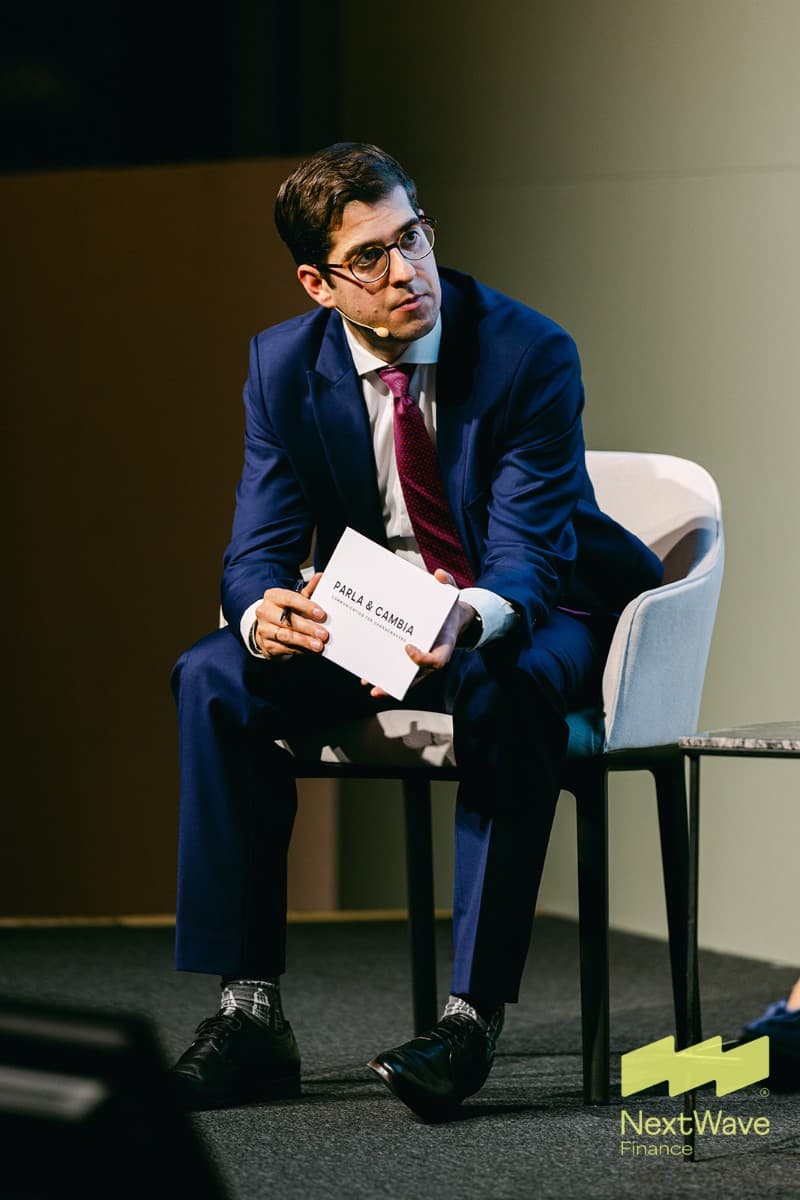
People arrive with a file that is right, and an argument that still fails in the room. I train them to test which points work with this audience, then to build the case on the argumentation bridge so every step is there and the pillars hold.
The day ends with a debate. That is when you find out whether the argument survives someone who disagrees.
Outcomes
What you will learn
Knowledge
- Why an argument can be true and still fail with this audience
- How framing changes what an EU audience hears
Skills
- Build an argument across the bridge, step by step, on strong pillars
- Answer a hostile or unexpected question without losing the line
Attitude
- Test the argument on the people in front of you
- Stay politically sensitive when the room pushes back
Who it's for
Best for
- Public-affairs and policy teams who have to defend a file
- Association and NGO experts who know the substance and need it to persuade
- Anyone heading into a hearing, a panel, a stakeholder meeting or a briefing
A poor fit if you want debating as an academic exercise, with no decision on the other side. A journalist interview is media training.
Tell us the room where the argument has to land.
Enquire about persuasion training- PracticalNot a long lecture, but bite-size theory and then practice
- CompleteKnowledge, skills and attitude, ready to use from the start
- PersonalSmall groups, your goals, your situations and feedback from peers
This training can also be done one-to-one, as private coaching.
Private coachingWe answer with dates, language and who would take the day.
Practical information
Practicalities
- Duration
- Half-day, one-day, two-day or multi-day (tailored)
- Group size
- Typically 4–12 participants; larger groups get a second trainer
- Location
- Brussels onsite, at your venue in Europe, or online / hybrid
- Indicative price
- Indicative from €1,500 / €2,500 (half / full day, one trainer, ex VAT)
Half-day, one-day, two-day or multi-day, on your file. The longer day ends with a debate. Brussels onsite, at your venue, or online.
FAQ
Training FAQs
Practical answers for organisers comparing training in Brussels.
Is this a debating course?
It uses debate. The aim is to influence a decision, defend a position and handle resistance. Academic debating is not the point.
What do you practise?
Hearings, panels, stakeholder meetings and briefings. You test which arguments work with that audience, build them with the argumentation bridge, and finish with a debate.
How is this different from public speaking or media training?
Public speaking trains delivery. Media training trains the interview. This trains the argument: framing, evidence, narrative, counterarguments and the hostile question.
Is it available in-house in Brussels?
Yes. In-person in Brussels or at your European venue, or online. In-person meetings and events are still where most of these arguments are won or lost.
Who should attend?
Public-affairs and policy teams, association and NGO experts, and anyone heading into a hearing, a panel, a stakeholder meeting or a briefing who knows the file and needs it to persuade.
Who trains this?
Luigi Sementilli and Vanessa Vovor train it. Either can take the day, and a larger group can have both.
What does it cost?
Indicative from €1,500 half-day / €2,500 full day (one trainer, ex VAT).