
Negotiation & conflict resolution training in Brussels
Win-win — not a cold compromise.
Negotiation skills and conflict management training for EU professionals — dive under the surface and negotiate on what actually matters.
“By looking much more closely at what the other party desired, the negotiation widened and many more options came on the table.”
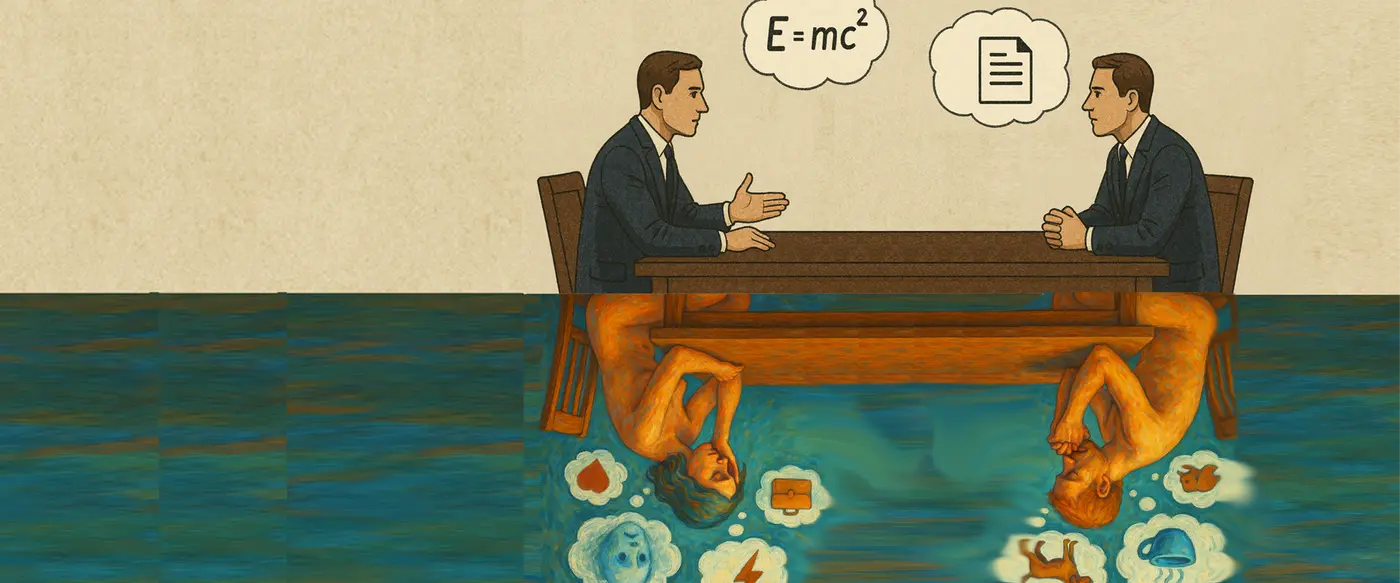
What looks unreasonable on the surface often becomes understandable when you change perspective, and fair when you look at deeper needs. This training uses that shift — “Unreasonable people don’t exist” — so you negotiate what actually matters and leave with a result both sides can implement.
The workshop combines negotiation craft with peace techniques, practical questioning and problem-solving. It is as useful in a policy file as in a conflict that has been stuck inside a team. Theory is short. Role-play, on our scenarios or yours, is the day.
Focus less on the issues on the table
and more on the people at the table.
Why this training
Why this works
The desire under the position
People learn to ask until the real need is on the table, then negotiate that instead of the costume the conflict arrived in. We call it scuba diving: dive below the surface, below the conflict on the content, and find the solution for the real desire.
Stand your ground, stay open
The practice is holding your mandate while the other person is still in the conversation.
Your cases
Role-plays start from ready-made scenarios and move to the files, partnerships or internal fights you brought. We love making role-plays that are fictitious enough that people are not distracted by the content, but real enough that they really get into it.
Grounded in theory
We use techniques from negotiation, peace techniques and (feminist) power dynamics, and translate them into techniques and attitudes that are easy to use.
Peer learning
In the exercises we do not only practise sitting on our side of the table. We also crawl into the skin of the person on the other side. That is often an eye-opening experience.
Usable the next morning
Questions and problem-solving steps are simple enough to use in the next hard meeting, at work or closer to home.
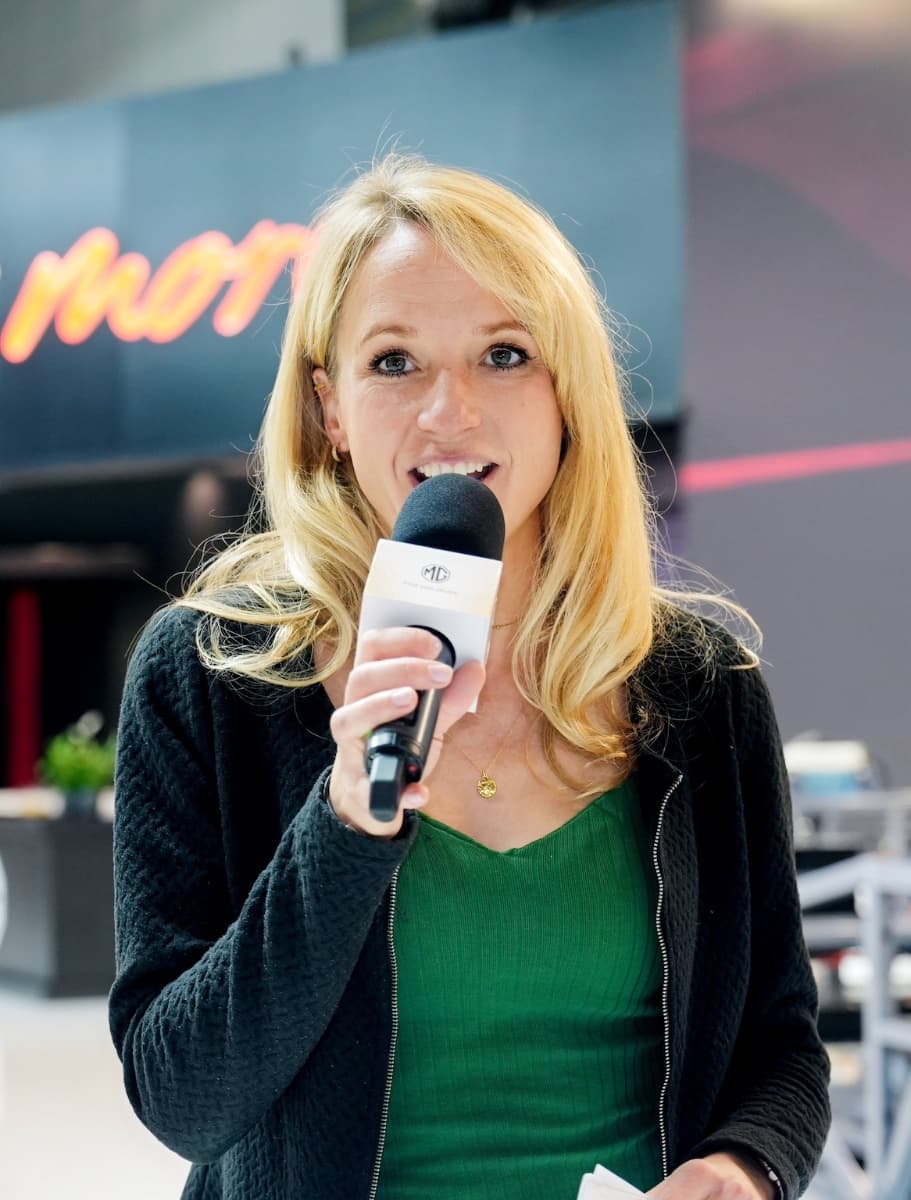
What looks stubborn in a Brussels negotiation is often someone protecting a thing they have not said: a mandate, a fear of looking weak at home, a story their members will accept.
I train people to ask until that desire is on the table, and then to negotiate that. They stand their ground and still find a result both sides can carry out. The same questions work on a policy file and in a fight that has been stuck inside a team for months.
The moment I watch for is when someone stops arguing the position and asks what the other person actually needs. The room changes. That is the skill we practise, until it is available on a bad Tuesday.
Outcomes
What you will learn
Knowledge
- The difference between a position and a need
- Why agreements fail after the handshake
Skills
- Ask until the real desire is on the table
- Close with a next step both sides own
Attitude
- Stay curious before you assert
- Stand your ground and keep the person in the room
Who it's for
Best for
- EU policy and association professionals
- NGO and corporate teams negotiating partnerships or conflicts
- Managers who negotiate under pressure in the EU bubble
A poor fit if you want tactics for winning at the other side’s expense.
Tell us the conversation that is stuck.
Enquire about this training- PracticalNot a long lecture, but bite-size theory and then practice
- CompleteKnowledge, skills and attitude, ready to use from the start
- PersonalSmall groups, your goals, your situations and feedback from peers
This training can also be done one-to-one, as private coaching.
Private coachingWe answer with dates, language and who would take the day.
Practical information
Practicalities
- Duration
- Half-day, one-day, two-day or multi-day (tailored)
- Group size
- Typically 4–12 participants; larger groups get a second trainer
- Location
- Brussels onsite, at your venue in Europe, or online / hybrid
- Indicative price
- Indicative from €1,500 / €2,500 (half / full day, one trainer, ex VAT)
Half-day, one-day, two-day or multi-day. Role-playing with off-the-shelf or tailor-made scenarios. Onsite, webinar or online.
FAQ
Training FAQs
Practical answers for organisers comparing training in Brussels.
Is this negotiation skills training or conflict management?
Both. The “Unreasonable people don’t exist” framing covers negotiation craft and conflict resolution — including motives under the surface.
Is it available in-house in Brussels?
Yes — Brussels onsite, your European venue, or online.
How long does it take?
Half-day to multi-day, with role-plays off-the-shelf or tailored to your cases.
Who should attend?
Policy officers, association staff, managers and anyone who negotiates under pressure in the EU bubble.
Who trains this?
Merle Becker and Rogier Elshout train it. Either can take the day, and a larger group can have both.
What does it cost?
Indicative from €1,500 half-day / €2,500 full day (one trainer, ex VAT).