
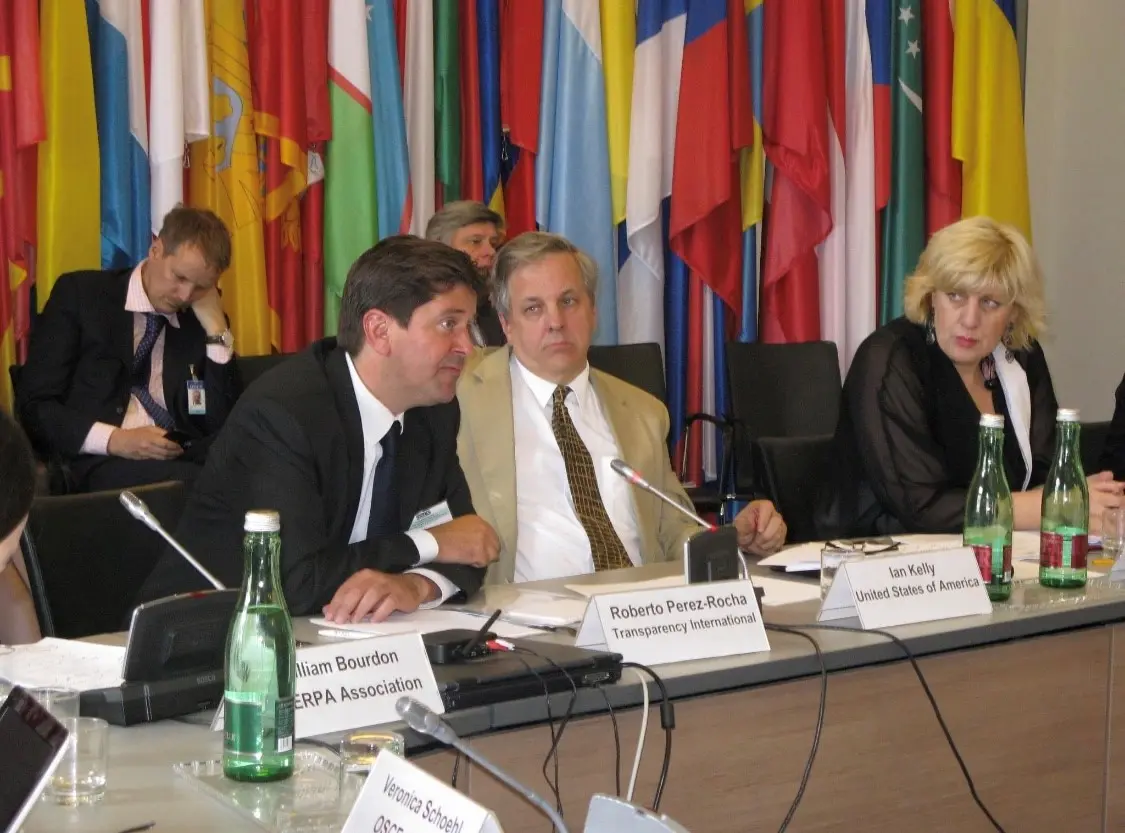
Crisis management & crisis communication training in Brussels
Simulation, media pressure and control under fire.
Senior-level crisis management training — communications, negotiation and leadership drills so you lead when the margin for error disappears.
“The simulation split us. Then we found one voice.”
Crises do not announce themselves. They surface as fragments: a rumour online before breakfast, a journalist asking the question no one is ready to answer, a call from political leadership demanding certainty where none yet exists. By the time the word “crisis” is spoken, damage has often already begun.
This is a senior drill for that corridor. Incomplete information, hostile time, every message dissected, stakes judged for legitimacy as well as effect — across borders, for EU institutions, international organisations, consultancies and NGOs. Short expert inputs, then simulations: a media hot-seat, negotiation with governments, donors and partners, and a debrief on the decisions you actually made.
Lead under pressure.
Don’t improvise it.
Why this training
Why this works
A drill, for people who already know the theory
Participants are expected to decide, speak and negotiate as senior leads. The day is not an introduction to emergency management.
The crisis inside the room
Scenarios include the moment the organisation itself splits: drifting messages, stalled decisions, stakeholders pulling in opposite directions.
Media pressure and negotiation together
A spokesperson hot-seat sits next to exercises with political leadership, donors, host governments and public scrutiny.
Debriefs on the decision, not the performance
The review looks at decision logic, authority and institutional impact — what you would repeat in the next real hour.
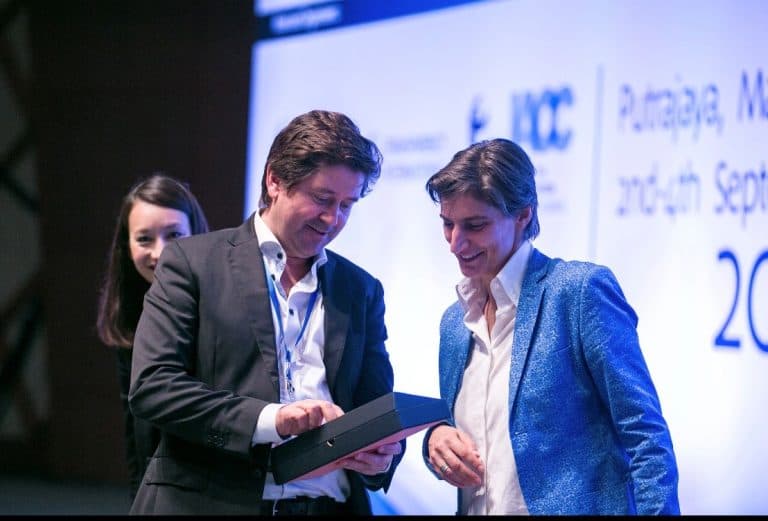
What I love about this training is what it does to a team in a very short time. Senior people often walk in with serious expertise — and still, when pressure spikes, organisations can start behaving like five different organisations at once. Messages drift. Decisions stall. Stakeholders pull you in opposite directions. And suddenly the crisis is not just out there. It is happening inside the room too.
My goal is simple: help you and your team move from reactive to composed, fast. By the end, participants operate differently. You make clearer calls with incomplete information, communicate with more authority without overexplaining, and protect negotiation space even when media, political leadership, donors and partners are all pushing at the same time.
The best part is watching the shift in the simulation. There is a moment when the team stops chasing noise, starts prioritising, assigns real ownership, and speaks with one voice. The spokesperson becomes calm and credible. The leadership becomes decisive without being reckless. The room feels controlled again. That is practical, repeatable behaviour you take back. In the next real crisis, you are leading.
Outcomes
What you will learn
Knowledge
- What is a real crisis, and what is noise
- Who pulls which lever when pressure spikes
Skills
- Hold the message while protecting room to negotiate
- Decide and speak in a hot-seat
Attitude
- One voice, and clear ownership
- Authority without overexplaining
Who it's for
Who should attend
- Senior members of international organisations
- Senior EU officials and managers
- Consultants advising public and international organisations
- NGO directors, heads of mission, communications and crisis leads
- Leaders likely to act as decision-makers or public representatives in a crisis
A poor fit for an introductory course in emergency management or civil protection.
Tell us the scenario your team needs to rehearse.
Enquire about crisis management training- PracticalNot a long lecture, but bite-size theory and then practice
- CompleteKnowledge, skills and attitude, ready to use from the start
- PersonalSmall groups, your goals, your situations and feedback from peers
This training can also be done one-to-one, as private coaching.
Private coachingWe answer with dates, language and who would take the day.
Practical information
Practicalities
- Duration
- Typically one or two intensive days (multi-day on request)
- Group size
- Small senior cohorts for high-intensity drills
- Location
- Brussels onsite, at your venue in Europe, or online / hybrid
- Indicative price
- Indicative from €1,500 / €2,500 (half / full day, one trainer, ex VAT)
Typically one or two intensive days, multi-day on request. Realistic EU and international NGO scenarios: political and institutional pressure, media and social escalation, multi-stakeholder coordination. Structured debriefs after each drill.
FAQ
Training FAQs
Practical answers for organisers comparing training in Brussels.
Who trains this?
Roberto Pérez-Rocha and Kelly Agathos train it. Either can take the day, and a larger group can have both. Intensive formats with more than one trainer are scoped separately.
Is this generic emergency management or crisis communication?
This is senior-level crisis management with a strong crisis communication and simulation focus — media pressure, political scrutiny and multi-stakeholder negotiation — not generic civil-protection courses.
Is the training based in Brussels?
Yes. We deliver in Brussels, at your European venue, or online — with EU and international scenarios.
Who should attend?
Senior members of international organisations, EU officials and managers, NGO directors, and communications or crisis leads likely to speak or decide under pressure.
What does a typical day include?
Short expert inputs, realistic simulations, a media pressure track with spokesperson hot-seat, and crisis negotiation exercises — followed by structured debriefs.
Can you tailor scenarios to our organisation?
Yes. We build EU and international NGO scenarios around your sector and risk profile.
What does it cost?
Indicative from €1,500 half-day / €2,500 full day (one trainer, ex VAT). Intensive multi-trainer formats are scoped separately.